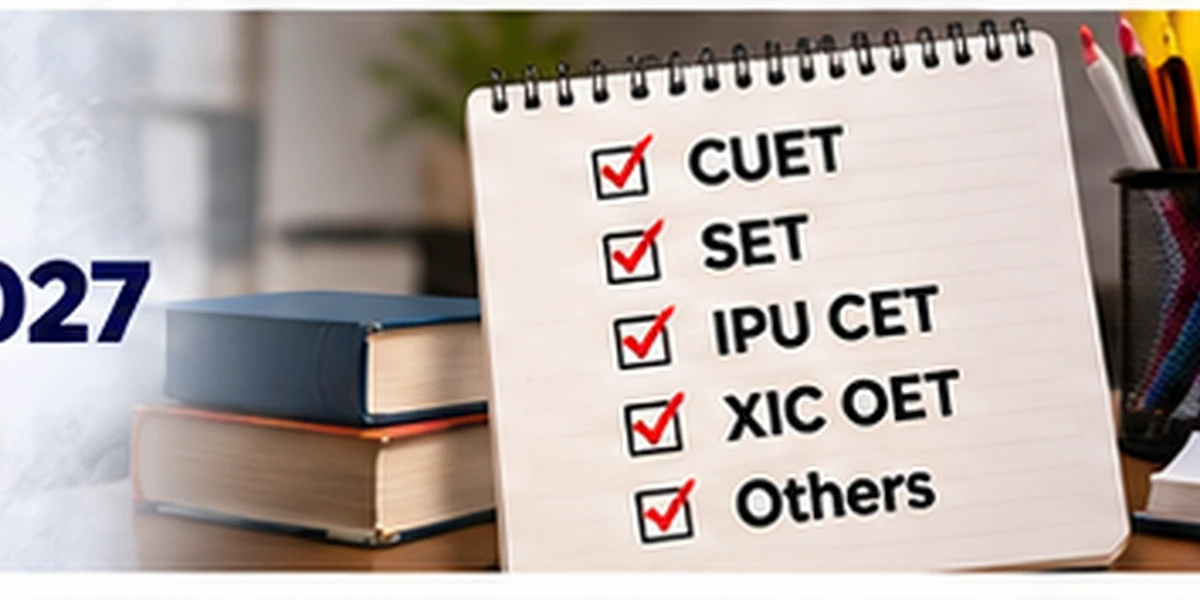
There is no single entrance examination that governs admission to every mass communication programme in India. Universities may use a common university-level test, an institution-specific examination, Class 12 merit, interviews or multiple selection stages. The first step is therefore to identify each target programme and verify its current admission process.
Quick Answer
There is no single entrance examination that governs admission to every mass communication programme in India. Universities may use a common university-level test, an institution-specific examination, Class 12 merit, interviews or multiple selection stages. The first step is therefore to identify each target programme and verify its current admission process.
Understand the different admission routes
Some institutions use national or university-level entrance tests, while others conduct their own assessment or consider qualifying examination results. Certain programmes may include interviews, written tasks, portfolios or group activities. Requirements change, so use the 2027 official prospectus and admission notice as the source of truth.
Make a target-college exam map
Create a table with institution, programme, official application link, eligibility, test name, subjects, test mode, dates, selection stages and documents. Include Delhi University programme information, SCMC, Christ University, St. Xavier's Mumbai and IP University where relevant. Do not assume all listed institutions use the same test.
Build a foundation in language and comprehension
Read editorials, long-form journalism, essays and credible explainers. Practise summarising arguments, identifying evidence, understanding tone and improving vocabulary in context. Develop concise writing and check grammar without losing clarity.
Develop general awareness and media understanding
Follow reliable news sources and learn to distinguish reporting, opinion, advertising and misinformation. Understand major national and international developments, media institutions, communication technologies and ethical issues. Keep notes by topic and revise them regularly.
Practise reasoning and analytical skills
Where the relevant examination includes aptitude or reasoning, practise the exact question types specified in its syllabus. Work on accuracy first, then speed. Use timed sets to identify recurring errors and avoid spending too long on one question.
Prepare for interviews and portfolio assessments
If a programme includes an interview or portfolio, be ready to discuss why you are interested in media, what you read or watch, and what you have created. A school magazine article, podcast, photo story or short video can demonstrate curiosity, but present your contribution honestly.
Create a realistic preparation schedule
Divide preparation into syllabus learning, reading, writing practice, mock tests, review and application administration. Take a diagnostic test, set weekly targets and maintain an error log. Read our complete mass communication course guide and Delhi University admission guide while building your shortlist.
Avoid common preparation mistakes
Do not prepare for an assumed common syllabus without checking each institution's test. Do not ignore application dates, eligibility or document rules. Avoid relying on unverified answer keys and outdated exam patterns.
Student Reviews and Academic Results
Before choosing a preparation institute, students and parents should review first-hand feedback and verifiable student outcomes. Explore the student testimonials and achievements published by PRATHAM on its official website and review the official results page. Testimonials reflect individual experiences and should be read in their original context.
Frequently Asked Questions
Is there one common entrance exam for all mass communication colleges?
No. Admission routes differ by institution and programme. Some use entrance tests, while others use merit or additional selection stages.
Does Delhi University use CUET for undergraduate admission?
Delhi University has used CUET-UG in recent undergraduate admission cycles. Confirm the exact 2027 requirements in the official bulletin.
How should I prepare for a media entrance interview?
Read widely, understand current media issues, practise explaining your interests and be prepared to discuss any work you have actually created.
Do I need a portfolio for every mass communication course?
No. Portfolio requirements are programme-specific. Check the official selection criteria.
When should I begin preparing?
Start by identifying target programmes and their admission routes. Begin foundational reading and skill practice early, then align preparation with official dates and syllabi.
Need Guidance for Your Mass Communication Admission Journey?
Explore programme information, understand entrance requirements and plan your next steps with PRATHAM Test Prep.